
Paid traffic has a brutal maths problem for affiliates. You pay for every click whether or not it converts, the merchant decides your commission, and a single algorithm change can wipe out a campaign overnight. Free traffic is slower, but you keep everything you build.
The catch is that most “free traffic” advice is recycled from 2018. Half the tactics people still recommend — blog comment links, share-for-share swaps, mass cold DMs — either do nothing now or get your account banned. Meanwhile the channels that actually move affiliate revenue in 2026, like being cited in AI answers or building a newsletter, barely get mentioned.
This guide covers the free traffic sources that still work, what each one realistically takes, and the platform rules that will get your links stripped if you ignore them.
Free traffic sources at a glance
Not every channel suits every offer. Use this to pick two or three, rather than spreading yourself across all of them badly.
| Channel | Effort | Time to first clicks | Best for |
|---|---|---|---|
| Organic SEO | High | 3–9 months | Review and comparison content |
| AI search visibility | Medium | 2–6 months | “Best X” and tool-choice queries |
| Medium | Days | Software, tools, niche hobbies | |
| YouTube | High | 1–6 months | Demos, tutorials, high-ticket offers |
| Medium | 1–3 months | Physical products, design, home, food | |
| TikTok / Shorts | Medium | Days to weeks | Impulse buys, apps, low-ticket |
| Email newsletter | Medium | Immediate once list exists | Everything — highest conversion rate |
| Communities (Discord, groups) | Low–Medium | Weeks | SaaS, courses, B2B tools |
| Quora | Low | Weeks | Long-tail problem queries |
| Guest posting | High | 1–3 months | Authority plus referral traffic |
Before you post a single affiliate link
Three rules save you from most of the pain people run into. None of them are optional.
- Most platforms do not allow raw affiliate links. Reddit, TikTok, Pinterest, and many Facebook groups either strip them, shadow-limit the post, or ban the account. The reliable pattern is to send traffic to your own page — a review, comparison, or resource post — and let the affiliate link live there.
- Disclose the relationship. FTC rules in the US, and equivalent rules elsewhere, require a clear disclosure close to the link. “This post contains affiliate links” above the fold is enough. Burying it in a footer is not.
- Cloak your links. A tidy branded redirect is easier to share, survives merchant URL changes, and lets you swap the destination without editing old posts. It also stops your raw network tracking parameters being visible to everyone.
Search-driven traffic
Search still produces the highest-intent affiliate traffic there is. Someone typing “best email marketing tool for creators” is much closer to buying than someone scrolling a feed.
Organic SEO
SEO is free in cash but expensive in time, and it is the channel most affiliates underestimate. On-page work costs nothing. Link building is where budgets disappear.
The practical route for a new affiliate site is to ignore head terms entirely and target the queries big publishers cannot be bothered with:
- Comparisons: “X vs Y”, where both are tools you can genuinely speak to
- Alternatives: “best alternatives to X”, especially after a price rise or a bad product change
- Use-case queries: “best CRM for a two-person agency” rather than “best CRM”
- Problem queries: “how to reduce cart abandonment” — the tool recommendation follows naturally
You need keyword data to do this properly, and the affordable tiers are perfectly adequate at this stage. SE Ranking and Mangools both cover research, rank tracking, and audits for a fraction of what the enterprise suites cost, while Semrush is the option once budget stops being the constraint. All three also run affiliate programs of their own, which is a convenient overlap if SEO is your niche.
Getting cited in AI answers
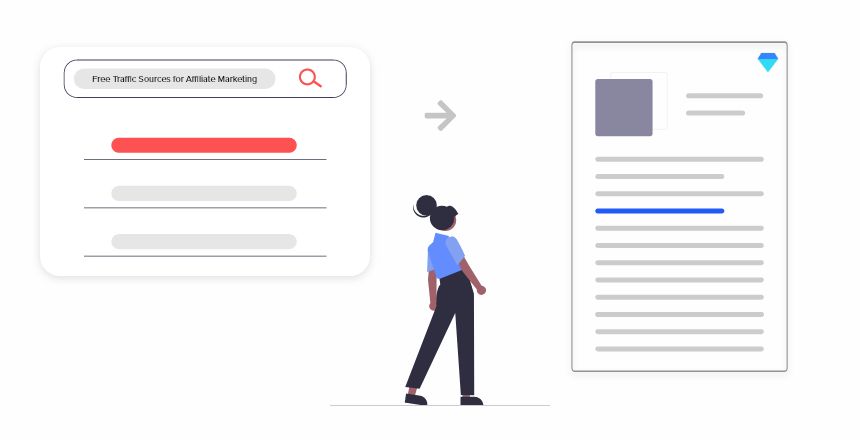
This is the newest meaningful traffic source and most affiliates are ignoring it. A growing share of “which tool should I use” questions now get answered inside ChatGPT, Perplexity, Google’s AI Overviews, and Copilot. Those answers cite sources, and the cited pages get clicks from people who have already been told what to buy.
What tends to get cited is not what ranks first. In practice it favours:
- Direct, extractable answers. Lead with the conclusion, then justify it. Long preambles get skipped.
- Concrete specifics. Prices, commission rates, cookie windows, limits. Vague marketing prose gives a model nothing to quote.
- Structured comparison. Clean tables and clear headings are far easier to parse than flowing paragraphs.
- Being mentioned elsewhere. Models lean on consensus. Appearing across Reddit threads, roundups, and directories makes citation more likely.
The useful part is that this overlaps almost entirely with writing genuinely good comparison content. You are not optimising for a separate algorithm so much as being unusually specific.
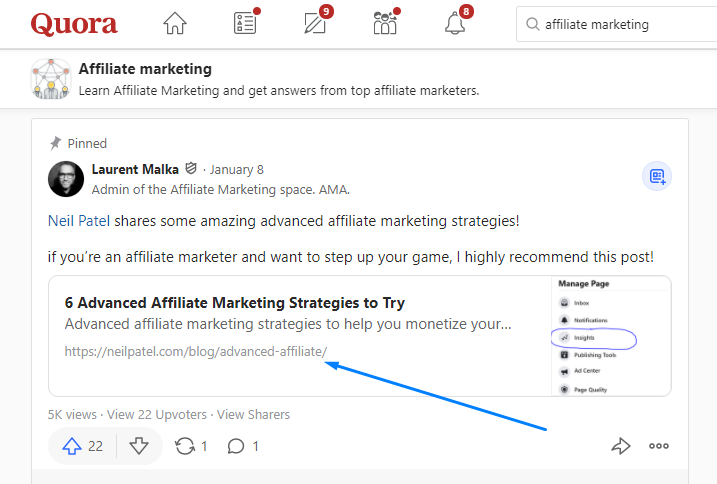
Reddit is now one of the most visible sites in Google’s results, which means a strong Reddit thread can pull traffic twice — once from Reddit itself, and again for years afterwards from search.
It is also the single fastest place to get an account banned. Subreddits are run by volunteer moderators with zero patience for promotion. The approach that works:
- Read the rules of every subreddit before posting. Most explicitly ban affiliate links.
- Build genuine comment history first. Accounts that only ever post links get filtered automatically.
- Answer questions properly, in full, inside the comment. If your answer is only useful once someone clicks, it is an advert.
- Link to your own site only where it genuinely adds detail, and disclose that it is yours.
Done properly, a single detailed comment in an active thread can outperform months of low-quality posting.
Quora
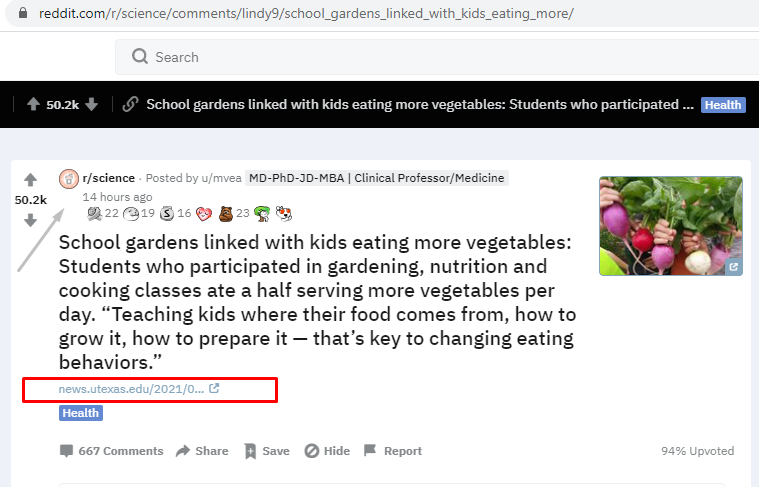
Quora is past its peak but still earns a place, because individual answers rank in search for long-tail questions and keep collecting views quietly for years.
Target questions that already have search traffic rather than whatever is newest in your feed. Write one genuinely thorough answer instead of twenty thin ones, and treat the link as a footnote to a complete answer, not the point of it.
Community traffic
Communities convert well above their traffic numbers because trust is already established. They also punish self-promotion harder than anywhere else, so the rule is simple: be useful for weeks before you link to anything.
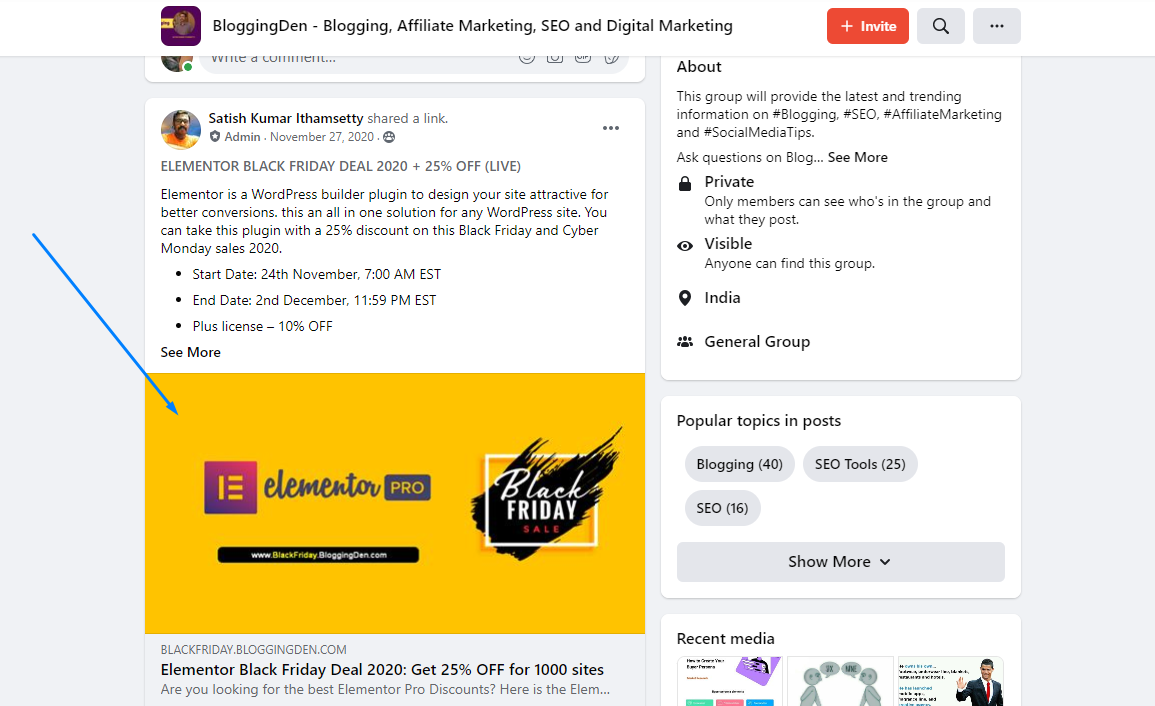
Facebook and LinkedIn groups
Most groups are moderated, and most reject anything that reads like a pitch. What passes is a genuinely useful post — a teardown, a result, a mistake you made — where the link is supporting evidence.
LinkedIn deserves particular attention for B2B offers. Posting directly to your own feed now reaches further than most group posts, and the audience has budget authority.
Discord and Telegram
A large share of the audience that used to live in forums now lives in Discord servers and Telegram channels, and almost no affiliates work them. Crypto, gaming, SaaS, design, and trading niches all have active servers with thousands of engaged members.
Two approaches work. Join existing servers, become a recognised regular, and answer tool questions when they come up. Or run your own small server around your niche, which turns into an owned audience you can message directly — closer to an email list than a social channel.
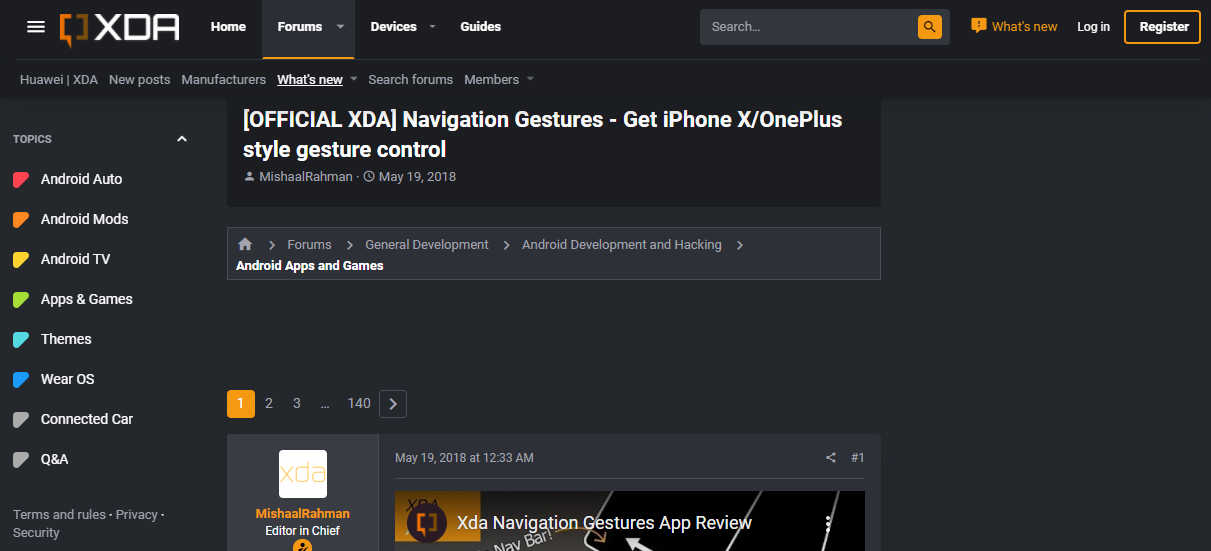
Niche forums
Traditional forums are smaller than they were, but the survivors are often extremely valuable: highly specific, heavily indexed, and full of people researching purchases. Signature links still work on many of them, and a helpful signature accumulates clicks passively across every post you make.
Social and video
YouTube and Shorts
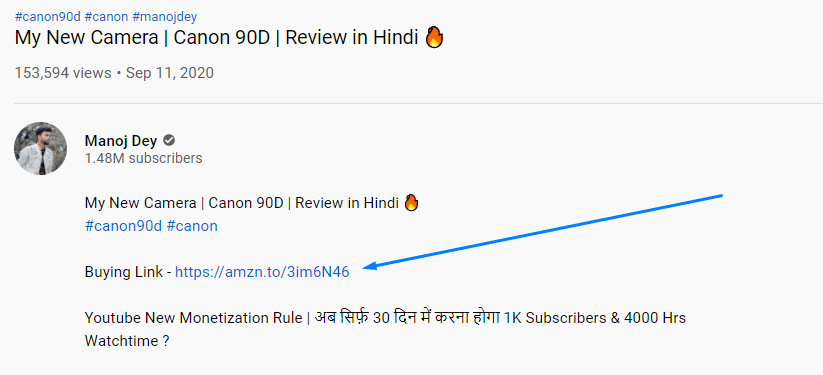
YouTube is the strongest free channel for affiliate revenue, for one reason: video is where people go to see a product before buying it. A tutorial or honest walkthrough sits in search results indefinitely and converts far better than a written review, because the viewer has watched the thing work.
The formats that earn are unglamorous — “how to do X with Y”, “X vs Y after six months”, “X honest review”, and setup walkthroughs. Put links in the description with a disclosure, and pin a comment with the key link.
Shorts are worth adding on top: clip the useful sixty seconds out of a long video and let it run as discovery, pointing back to the full version. If being on camera is the blocker, screen recordings with voiceover work fine, and AI narration from something like ElevenLabs or full AI-presented video via Synthesia removes that objection entirely.
TikTok
TikTok is the only major platform where an account with no followers can still reach a large audience, which makes it the fastest cold start available. It suits low-ticket, visual, impulse-friendly offers far better than enterprise software.
Affiliate links are not allowed in captions, so traffic runs through the bio link. Keep one landing page there and change what you point at rather than the link itself.
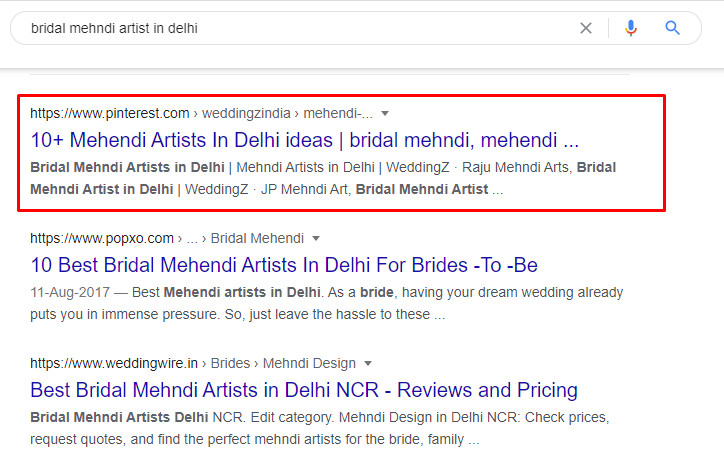
Pinterest behaves more like a search engine than a social network, and pins keep returning traffic months after publishing — a much longer tail than any feed-based platform.
It is strongest for physical products, home, food, fashion, travel, weddings, and design. Write keyword-led pin titles and descriptions rather than clever ones, and produce several distinct pin images per article rather than a single graphic. Canva handles this quickly with templates at the correct vertical ratio.
X, Instagram and Threads
X rewards consistent posting in a defined niche far more than follower count. Useful threads that stand alone get shared; link-only posts get suppressed. Post the substance natively and put the link in a reply.
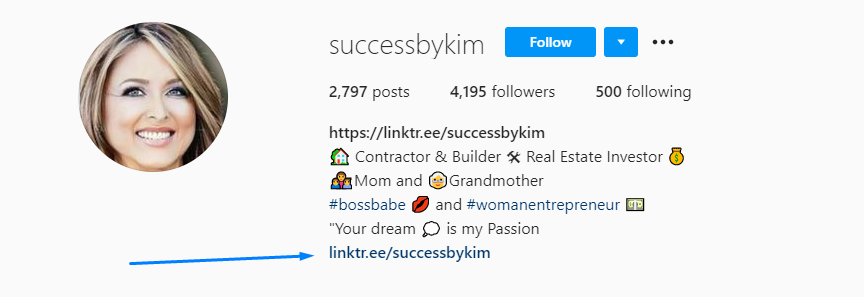
Instagram remains awkward for links, but less than it used to be — link stickers in Stories are now available to all accounts rather than gated behind a follower threshold, and the old swipe-up mechanic is gone. Bio links and Stories are the practical routes; carousels and Reels do the discovery.
Threads is still underpriced in attention terms. Reach is comparatively easy for accounts posting consistently in a niche, and it costs little to repurpose what you already write for X.
Traffic you own
Email and newsletters
Email is the only channel on this list that nobody can take away from you. No algorithm sits between you and the reader, and conversion rates are consistently the highest of any free source. If you build one thing this year, build the list.
The mechanics that matter are unremarkable and effective: offer something genuinely worth an email address, send consistently, recommend a small number of tools you actually use, and disclose the relationship every time. One trusted recommendation to 500 engaged subscribers routinely beats 50,000 cold social impressions.
Every serious platform in this space has a free tier big enough to start on. Kit is built specifically around creators, beehiiv adds growth and sponsorship tooling aimed at newsletters as a business, and Brevo allows unlimited contacts on its free plan and charges by send volume instead. All three run affiliate programs, which makes them an easy first recommendation if your audience is other marketers.
Guest posting
Guest posting still works, provided you treat it as a way to reach an audience rather than a way to farm links. A post on a site your buyers already read sends referral traffic immediately and builds authority that helps everything else you publish.
Pitch a specific article idea that fits gaps in their existing coverage, not a generic offer to “write for you”. Most affiliate links are prohibited in guest posts, so link to a relevant resource on your own site and let that page do the converting.
Publishing platforms
Medium, Substack, and LinkedIn articles borrow someone else’s domain authority, so a piece can rank while your own site is still too new to compete. Medium’s reach is more restricted than it once was, and much of it now sits behind the member paywall, so treat it as a supplement rather than a strategy.
Republish rather than write exclusively. Post on your own site first, let it get indexed, then adapt it for the platform with a canonical link back where the platform supports one.

Giveaways and referral loops
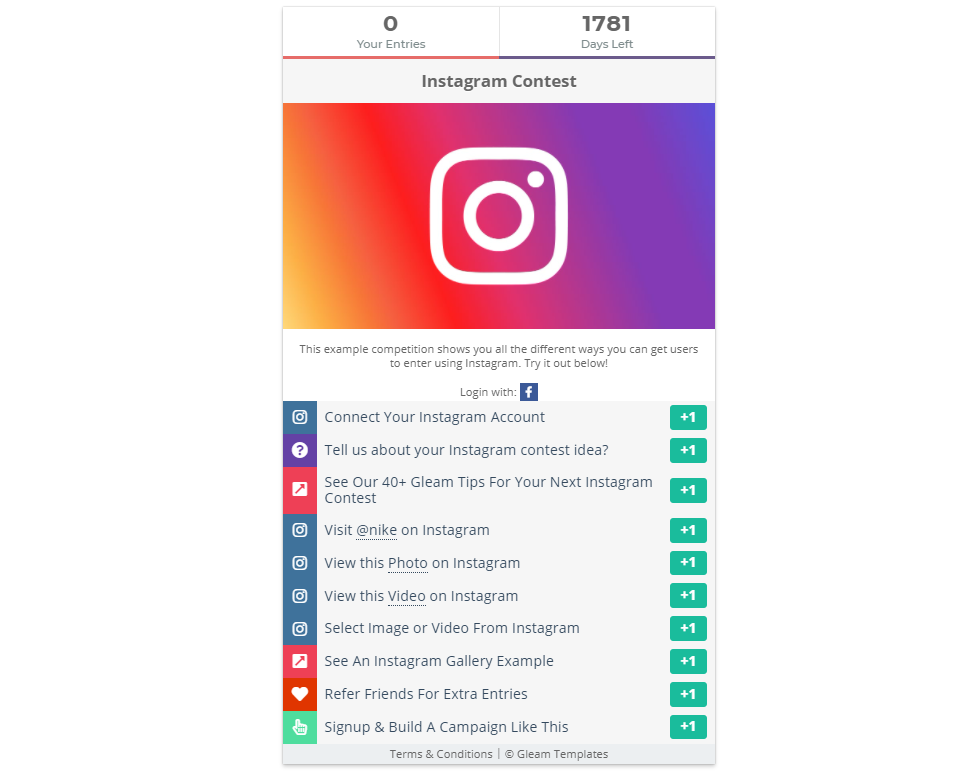
A well-run giveaway builds an email list quickly, because entry can be conditioned on subscribing, sharing, or following. Tools such as Gleam and KingSumo handle the entry mechanics.
The failure mode is giving away something generic. A cash prize or a popular gadget attracts professional competition entrants who will never buy anything. Give away the product you are actually promoting, or a year of the tool your audience is deciding on, and the list you build is full of qualified buyers.
Tactics that stopped working
These still circulate in older guides. They are, at best, a waste of your time.
- Blog comment links. Almost universally nofollowed, moderated, or removed. As a link tactic it is dead; as a traffic tactic it never really worked.
- Share-for-share swaps. Trading shares with people who share your audience but not your buyers produces engagement metrics and no revenue.
- Mass cold DMs. Sending unsolicited pitches to strangers on Instagram or LinkedIn is now a fast route to a restricted account. Replying helpfully to people who asked a question is not the same thing, and still works.
- Article directories and bookmarking sites. Long since discounted by search engines and effectively unread.
- Posting raw affiliate links anywhere public. Stripped, shadow-limited, or banned on most major platforms.
A realistic first 30 days
The most common mistake is starting all of these at once and doing none of them properly. A workable start looks like this:
- Week 1 — pick one search channel and one distribution channel. For most people that is SEO plus one of YouTube, Pinterest, or Reddit, chosen by what your offer actually suits.
- Week 1 — set up email capture. Even a single form on a free plan. Traffic you cannot contact again is traffic you rent.
- Weeks 2–3 — publish three comparison or alternatives articles. Specific, with real prices and real limitations, on queries with genuine buying intent.
- Weeks 2–4 — show up in one community daily. One subreddit, one Discord, or one group. Answer questions without linking for the first two weeks.
- Week 4 — review what moved. Drop whichever channel produced nothing and put that time into the one that did.
Expect the first three months to look like very little happening. Search and video both compound slowly and then move quickly, which is exactly why most people quit before the payoff.
Frequently asked questions
Can you really do affiliate marketing with no budget at all?
Yes, but you pay in time instead of money. Every channel here can be started free, and most tools worth using have a free tier. What you cannot avoid is the three to six months of consistent output before organic channels produce meaningful revenue.
Which free traffic source converts best for affiliates?
Email, by a wide margin, because the audience already trusts you and no algorithm filters the message. Of the acquisition channels, search and YouTube convert best because both capture people who are actively researching a purchase.
Can I post affiliate links directly on social media?
Usually not. Reddit, TikTok, Pinterest, and most Facebook groups restrict or ban raw affiliate links. Send traffic to a page you control and place the affiliate link there, which is also better for tracking and for swapping merchants later.
How long before free traffic produces commissions?
Community channels and TikTok can produce clicks within days. Pinterest and YouTube typically take one to three months. SEO usually takes three to nine months depending on competition. Plan for the slow channels while the fast ones cover the gap.
Is Pinterest still worth it for affiliate traffic?
Yes, in the right niches. It functions as a visual search engine, so pins keep returning traffic long after publication. It performs strongly for physical products, home, food, fashion, and design, and poorly for B2B software.
What ratio of free to paid traffic should I aim for?
While you are still learning which offers convert, keep it heavily weighted to free — roughly 70:30. Paid traffic amplifies whatever you already have, so it multiplies a working funnel and simply burns cash on one that is not yet proven.
Where to point the traffic
Traffic is only half the equation. The offer behind it decides whether the effort pays, and a recurring commission on a tool people keep for years is worth many times a one-off bounty on something they abandon in a month.
If you are still deciding what to promote, browse the full directory of affiliate programs for commission rates, cookie windows, payout thresholds, and tracking details on each one.
Pick two channels from this guide. Give them ninety days of honest effort before judging them. That single decision separates the affiliates who build something from the ones who spend a year sampling tactics and never compound anything.
Add a comment